

Hey there! I'm a supplier of Rain Drop Outlets, and today I want to dig into a super important question: Do Rain Drop Outlets meet environmental regulations for car wash wastewater?

Let's first understand the situation of car wash wastewater. Car wash places generate a whole lot of wastewater every day. This water is loaded with all sorts of contaminants. There are dirt and grime from the cars, along with the chemicals from the cleaning products used. These chemicals can include detergents, degreasers, and waxes. And if this wastewater isn't properly managed, it can cause some serious environmental problems.
For example, washing a car once can use up to 80 - 140 liters of water, depending on the washing method. A large car wash facility can go through thousands of liters each day. And this wastewater flows into the sewer systems or nearby water bodies if not treated correctly. When it does, it can harm aquatic life. The chemicals can disrupt the delicate balance of ecosystems, reducing oxygen levels in the water and making it difficult for fish and other organisms to survive.
Now, let's talk about Rain Drop Outlets. These outlets are designed to play a crucial role in managing car wash wastewater. They are engineered to filter out a significant amount of the contaminants before the water is discharged. The design of Rain Drop Outlets allows for a multi - stage filtration process.
The first stage is usually a physical filtration. The outlet has a mesh or a screen that catches the larger particles like dirt, sand, and debris. This is the most basic but also very important step as it prevents these large particles from clogging up the drainage system and causing further problems downstream.
After the physical filtration, there's a chemical - based filtration stage. Some Rain Drop Outlets are equipped with special media that can neutralize or absorb the harmful chemicals in the car wash wastewater. For instance, they can remove heavy metals and break down the organic pollutants in the detergents.
But do they meet the environmental regulations? Well, most of the well - made Rain Drop Outlets on the market are designed with the latest environmental regulations in mind. Regulatory bodies around the world have set strict standards for the quality of wastewater that can be discharged. These standards typically specify the maximum allowable levels of various contaminants such as heavy metals (like lead, mercury, and cadmium), suspended solids, and chemical oxygen demand (COD).
Rain Drop Outlets manufacturers conduct extensive testing to ensure that their products can effectively reduce the levels of these contaminants to within the regulatory limits. They use laboratory - grade equipment to analyze the water before and after it passes through the outlet. And if the results show that the outlet can't meet the standards, they'll go back to the drawing board to improve the design.
However, it's not just about the design and testing of the Rain Drop Outlets. The proper installation and maintenance are also key factors. If an outlet isn't installed correctly, it might not work as efficiently. For example, if it's not level or if the connections aren't tight, it could lead to leaks or uneven flow of the wastewater. And without regular maintenance, the filters can get clogged, reducing the outlet's ability to filter the water properly.
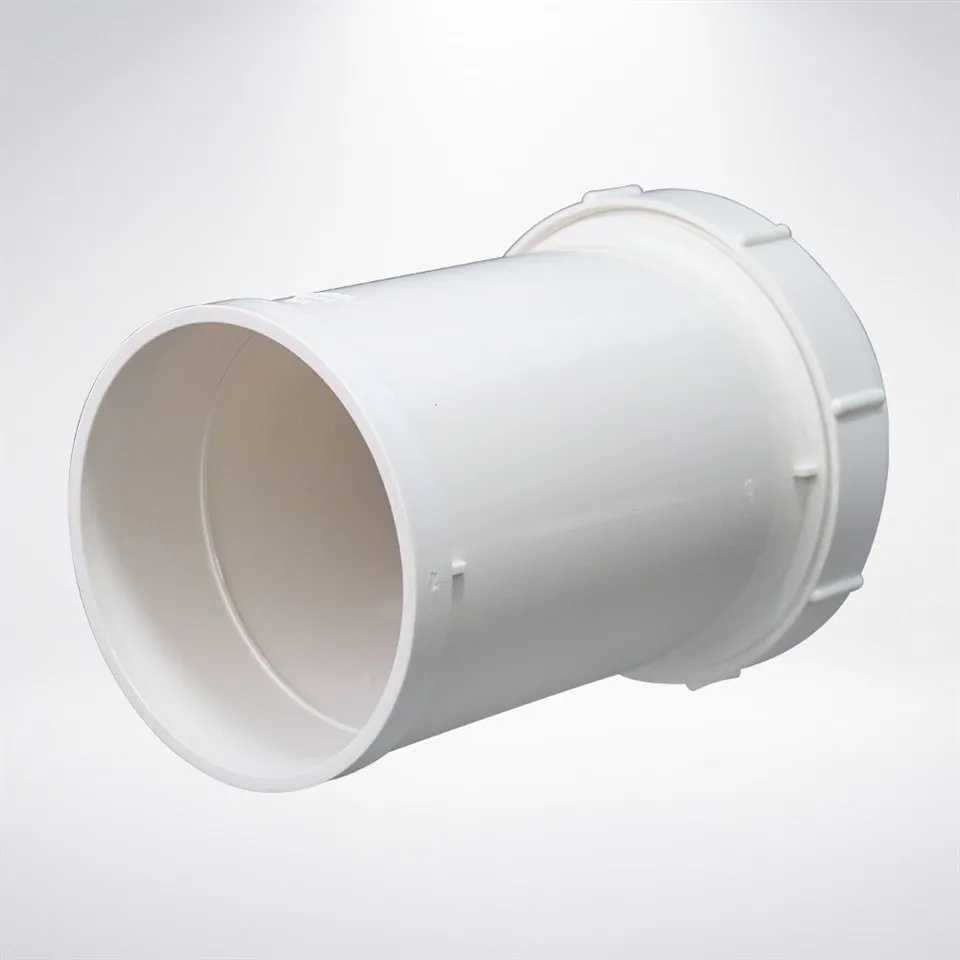
When it comes to the components of Rain Drop Outlets, there are some really useful parts that contribute to their effectiveness. For example, the PVC Extended Expansion Joint is an important part. It allows for some flexibility in the drainage system, which is crucial as the temperature changes. Without it, the pipes could crack or break, leading to leaks and possible contamination of the surrounding environment.
Another great component is the PVC Drainage Pipe Valve Cover. This cover protects the valves in the drainage system from damage. Valves control the flow of wastewater, and if they get damaged, it can disrupt the entire filtration process.
The PVC Tee With Rubber is also very handy. It helps in directing the flow of wastewater in different directions, which is useful in complex drainage setups. The rubber part provides a tight seal, preventing any leaks.
So, to sum it up, in most cases, Rain Drop Outlets can meet the environmental regulations for car wash wastewater if they are of good quality, properly installed, and well - maintained. But it's always a good idea for car wash owners to do their own research and make sure that the outlet they choose is compliant with the local regulations.
If you're in the business of car wash and are looking for reliable Rain Drop Outlets and related components, I'm here to help. We've got a wide range of high - quality products that are not only effective in filtering car wash wastewater but also built to last. Don't hesitate to reach out to start a discussion about your specific needs. We can work together to find the perfect solution for your car wash facility.
References
- Environmental Protection Agency. "Guidelines for Car Wash Wastewater Management."
- International Journal of Water Resources and Environmental Engineering. "The Impact of Untreated Car Wash Wastewater on Aquatic Ecosystems."
- National Sanitation Foundation. "Standards for Drainage and Filtration Systems in Car Wash Facilities."