

As a supplier of PVC H pipes, I often encounter questions from customers regarding the hardness of these pipes. The hardness of a PVC H pipe is a crucial factor that influences its performance, durability, and suitability for various applications. In this blog post, I will delve into the concept of PVC H pipe hardness, its significance, and how it affects the overall quality of the product.
Understanding PVC and Its Properties
PVC, or polyvinyl chloride, is a widely used thermoplastic polymer known for its versatility, durability, and cost - effectiveness. It is produced by polymerizing vinyl chloride monomers. PVC can be formulated into different grades with varying properties, including hardness, based on the specific requirements of the end - use application.
The hardness of PVC is typically measured using the Shore durometer scale. There are two main types of Shore scales: Shore A and Shore D. The Shore A scale is used for softer materials, while the Shore D scale is used for harder plastics. PVC H pipes usually fall within the range of Shore D hardness, which indicates a relatively hard and rigid material.
Factors Affecting the Hardness of PVC H Pipes
Plasticizers
Plasticizers are additives used in PVC manufacturing to increase its flexibility and reduce its hardness. In the case of PVC H pipes, the amount of plasticizer added is carefully controlled to achieve the desired level of hardness. A lower amount of plasticizer results in a harder pipe, which is more suitable for applications where high stiffness and structural integrity are required. For example, in drainage systems where the pipes need to withstand external pressure and maintain their shape, a harder PVC H pipe is preferred.
Polymer Resin
The type and quality of the PVC resin used in the production of H pipes also play a significant role in determining their hardness. Different PVC resins have different molecular structures and properties. High - quality resins with a higher degree of polymerization tend to produce harder pipes. Manufacturers carefully select the resin based on the intended application of the pipes.
Manufacturing Process
The manufacturing process of PVC H pipes can also impact their hardness. Extrusion is the most common method used to produce PVC pipes. During extrusion, factors such as temperature, pressure, and cooling rate can affect the final hardness of the pipes. A faster cooling rate, for example, can result in a harder pipe as it allows the polymer chains to solidify in a more ordered manner.
Significance of Hardness in PVC H Pipes
Structural Integrity
Hard PVC H pipes have better structural integrity compared to softer ones. They can withstand higher levels of external pressure without deforming or collapsing. This is particularly important in underground drainage systems, where the pipes are subjected to the weight of the soil and other overlying materials. A harder pipe can maintain its shape and prevent blockages, ensuring the smooth flow of wastewater.
Resistance to Abrasion
Harder pipes are more resistant to abrasion. In applications where the pipes come into contact with abrasive materials, such as sand or gravel in a drainage system, a hard PVC H pipe will last longer. The outer surface of the pipe is less likely to be worn away, reducing the risk of leaks and pipe failure.
Chemical Resistance
Hard PVC H pipes generally have better chemical resistance than softer ones. They can withstand exposure to a wide range of chemicals commonly found in wastewater, such as acids, alkalis, and solvents. This makes them suitable for use in industrial drainage systems where the wastewater may contain corrosive substances.
Applications of Hard PVC H Pipes
Drainage Systems
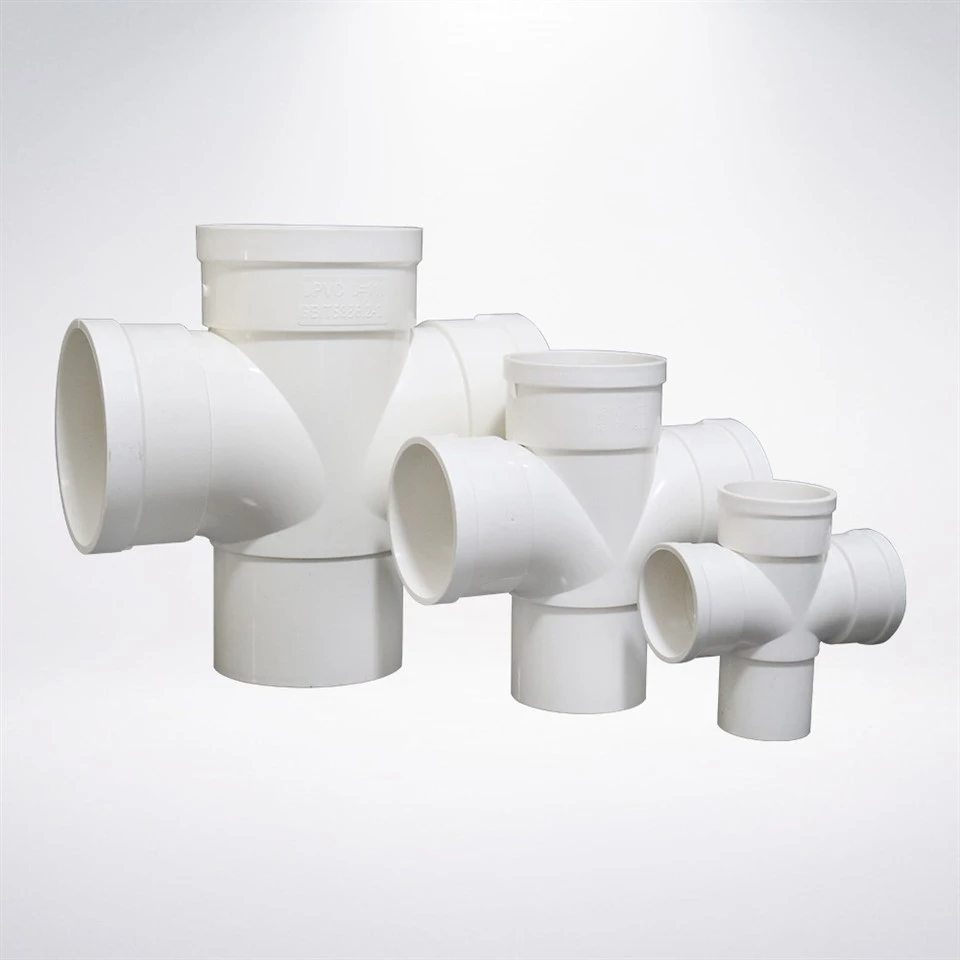
One of the most common applications of hard PVC H pipes is in drainage systems. They are used for both residential and commercial buildings to carry wastewater from toilets, sinks, and other fixtures to the main sewer line. The hardness of the pipes ensures that they can withstand the pressure and flow of water, as well as any debris that may be present in the wastewater. For those looking for additional drainage fittings, you can check out the 4 - way Cross Connector Joint, which can be used to connect multiple pipes at a single point.

Irrigation Systems
In agricultural and landscaping applications, hard PVC H pipes are used in irrigation systems. They can be buried underground to distribute water to different parts of a field or garden. The hardness of the pipes allows them to resist the pressure of the water and the forces exerted by the soil. Additionally, they are resistant to UV radiation, which is important for pipes that are exposed to sunlight. If you need to adjust the position of a toilet in a bathroom during a renovation, the Toilet Shifter can be a useful accessory.
Industrial Applications
In industrial settings, hard PVC H pipes are used for conveying various fluids, including chemicals and industrial wastewater. Their chemical resistance and high - pressure tolerance make them a reliable choice for these applications. For complex pipe connections in industrial systems, the PVC Tee With Rubber can provide a flexible and leak - proof joint.
Testing the Hardness of PVC H Pipes
Shore Durometer Test
The Shore durometer test is the most commonly used method to measure the hardness of PVC H pipes. A durometer is a device that measures the indentation resistance of a material. The test involves pressing the indenter of the durometer into the surface of the pipe and recording the hardness value on the appropriate Shore scale (usually Shore D for PVC H pipes).
Impact Testing
Impact testing is another important test to evaluate the hardness and toughness of PVC H pipes. In this test, a weighted pendulum is used to strike the pipe at a specific height. The energy absorbed by the pipe during the impact is measured, which gives an indication of its ability to withstand sudden shocks and impacts.
How Our Company Ensures the Right Hardness
As a PVC H pipe supplier, we take several steps to ensure that our pipes have the right level of hardness for their intended applications. We use high - quality PVC resin from trusted suppliers and carefully control the amount of plasticizer added during the manufacturing process. Our state - of - the - art extrusion equipment allows us to precisely control the temperature, pressure, and cooling rate to achieve the desired hardness.
We also conduct rigorous quality control tests on every batch of pipes produced. This includes both Shore durometer testing and impact testing to ensure that the pipes meet the required standards. Our commitment to quality has made us a trusted supplier in the market.
Conclusion
The hardness of a PVC H pipe is a critical property that affects its performance and suitability for various applications. By understanding the factors that influence hardness, such as plasticizers, polymer resin, and manufacturing process, customers can make informed decisions when choosing PVC H pipes. As a supplier, we are dedicated to providing high - quality PVC H pipes with the right level of hardness to meet the diverse needs of our customers.
If you are in the market for PVC H pipes or any related drainage fittings, we invite you to contact us for a detailed discussion. We can provide you with the technical specifications and pricing information based on your specific requirements. Our team of experts is always ready to assist you in selecting the most suitable products for your project.
References
- "Handbook of PVC Pipe Engineering" by Tertuliano F. Calleja and Jose L. Chico
- "Plastic Pipe Systems for Water Supply and Drainage" by Manfred Kessel
- "Polyvinyl Chloride (PVC) Technology" by W. V. Titow